

Vertical vs. Horizontal Storage Systems: Which Is the Best Option for Your Plant?
In the corrugated board industry, efficient management of space and material flow is key to maintaining competitiveness. As production increases, so do the demands for storage, stock control, and plant safety. This raises a recurring question:
Should you keep a traditional horizontal system or move to an automated vertical warehouse?
At Warakblock, we help companies answer that question with real data through our Vertical Feasibility Study, which in just three weeks determines the cost, return, and potential benefits of switching to vertical storage.
Horizontal System: the traditional option
The horizontal system is the most common method in corrugated board plants. It consists of placing materials at floor level or on conventional shelves, accessible by forklifts or overhead cranes.
Disadvantages:
-
Large occupation of floor space, limiting plant expansion.
-
Higher risk of stock control and traceability errors.
-
Losses due to waste and inefficient handling.
-
Difficulty maintaining an agile and safe workflow.
As production grows, these inefficiencies can translate into significant hidden costs.
Vertical Warehouses: efficiency in height
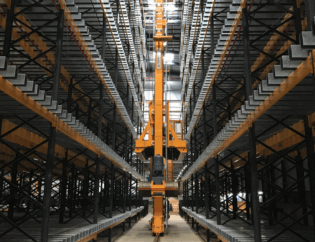
Vertical storage optimizes height through automated loading and unloading systems, digitally managed. This allows better use of available space, improved safety, and full real-time stock control.
Advantages:
-
Increased storage capacity without expanding floor area.
-
Reduced costs and waste through less material handling.
-
Greater safety and order in work areas.
-
Full inventory control and digital traceability.
-
Improved planning through real-time data.
Vertical Feasibility Study: data-driven decisions
At Warakblock, we perform a vertical feasibility study based on real production data. Within three weeks, we calculate the cost of transitioning from a horizontal system to vertical storage.
We also create a digital model of your factory to identify bottlenecks and current logistics issues, providing a clear vision for future investment decisions.
What’s your opportunity cost?
Keeping a traditional system may be costing you more than it seems. Inefficient processes increase production expenses as output grows.
With our analysis, you’ll know which part of those costs could be reduced by implementing a vertical system.
Our clients have not only reduced costs and waste but also improved planning, quality, and plant safety—thanks to total stock control and material traceability.
Both horizontal and vertical systems have their place in the industry, but vertical automation stands out as the most profitable and secure option for plants seeking efficiency, space, and control.
If your company produces more than 50 million m² per year, you’re probably at the ideal point to make the leap. Request your vertical feasibility study and discover in three weeks how you can transform your plant.